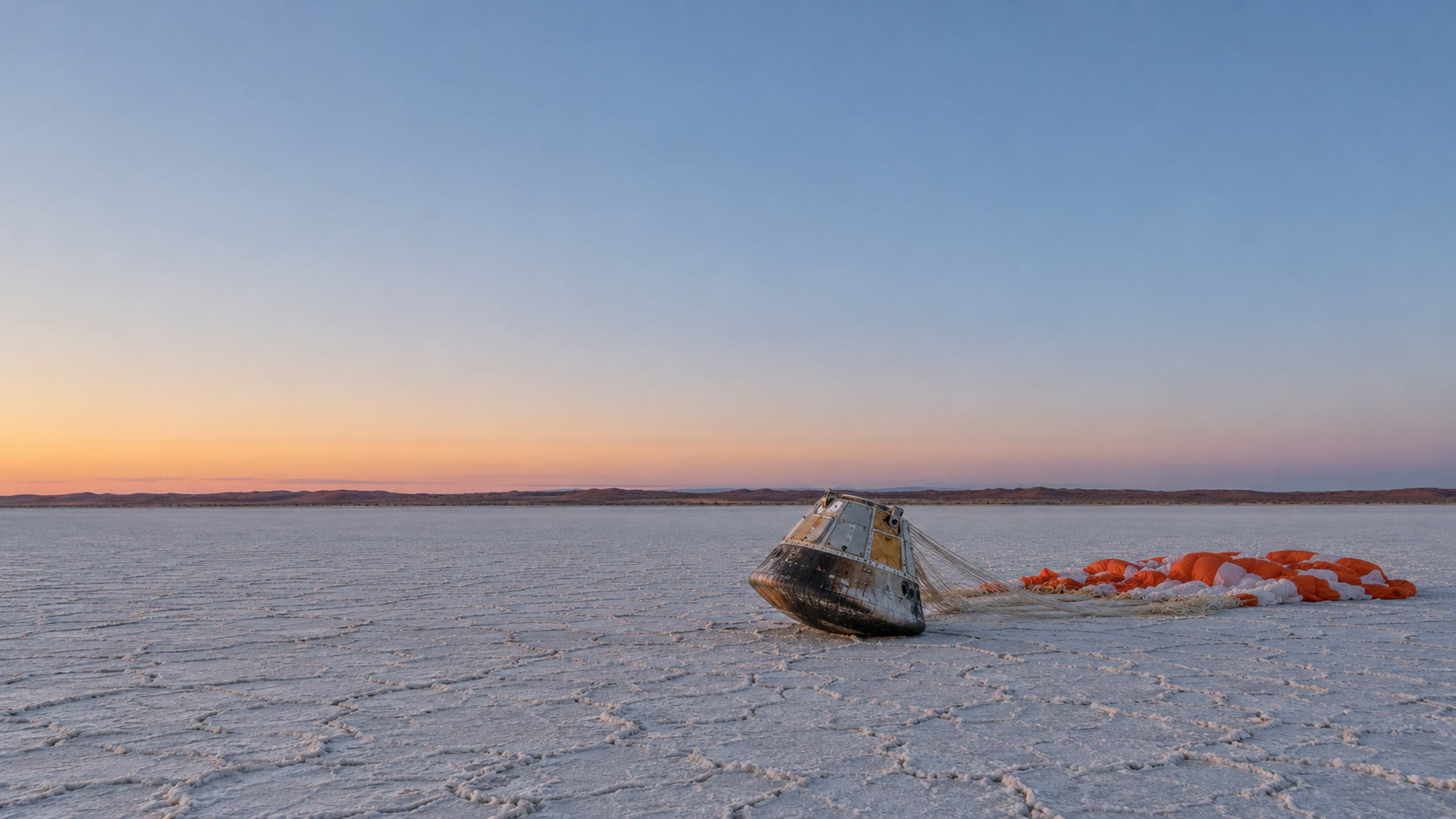
We grow drug crystals in orbit and land them here.
Thirteen days earlier, your molecule goes into a well.
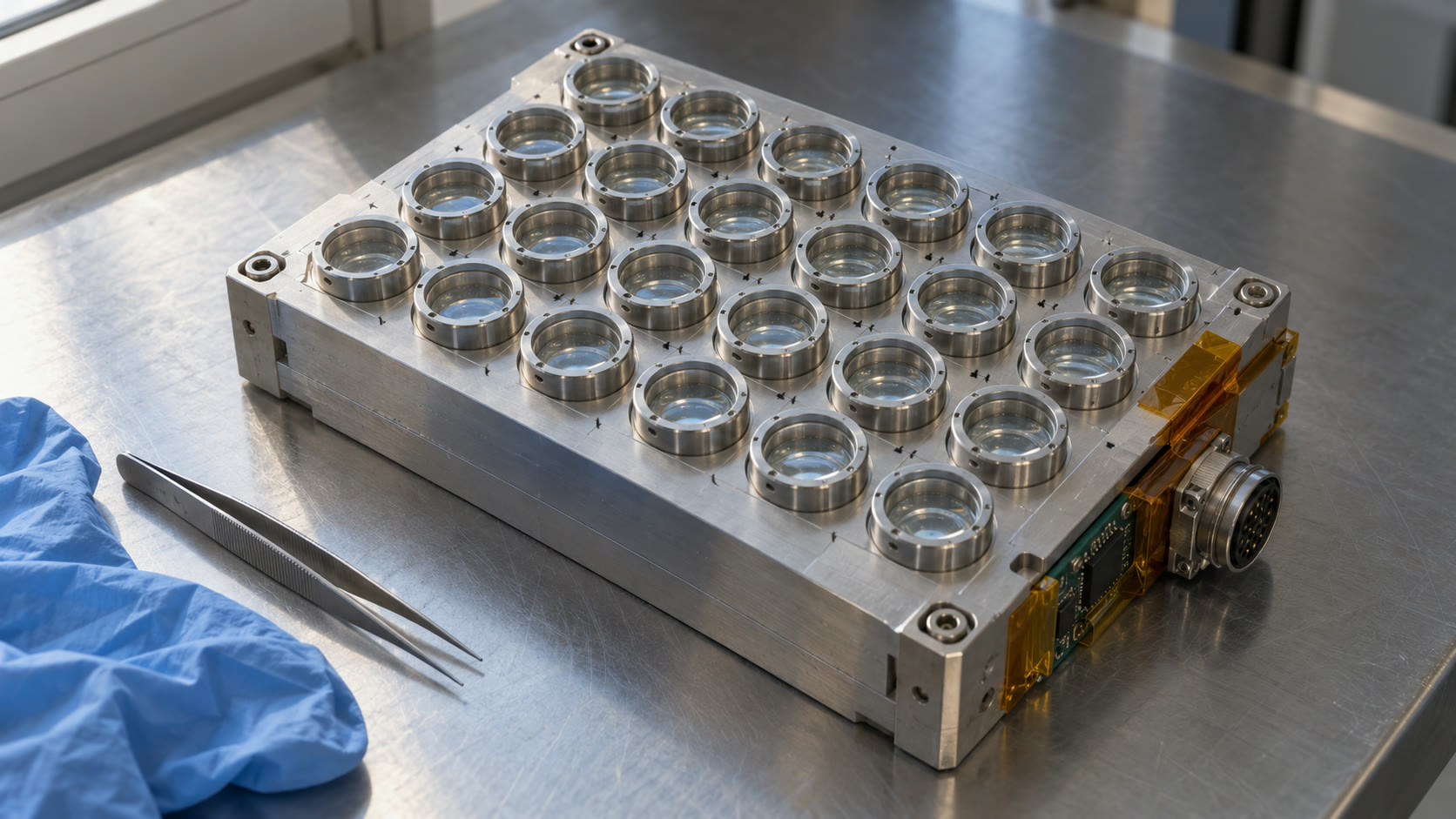
A cassette holds 24 sealed wells of 2 ml each. Your chemist loads the solution in our Adelaide cleanroom. From that moment until it reaches the lab again, it is held at 20.0 °C, within a tenth of a degree.
What the capsule carries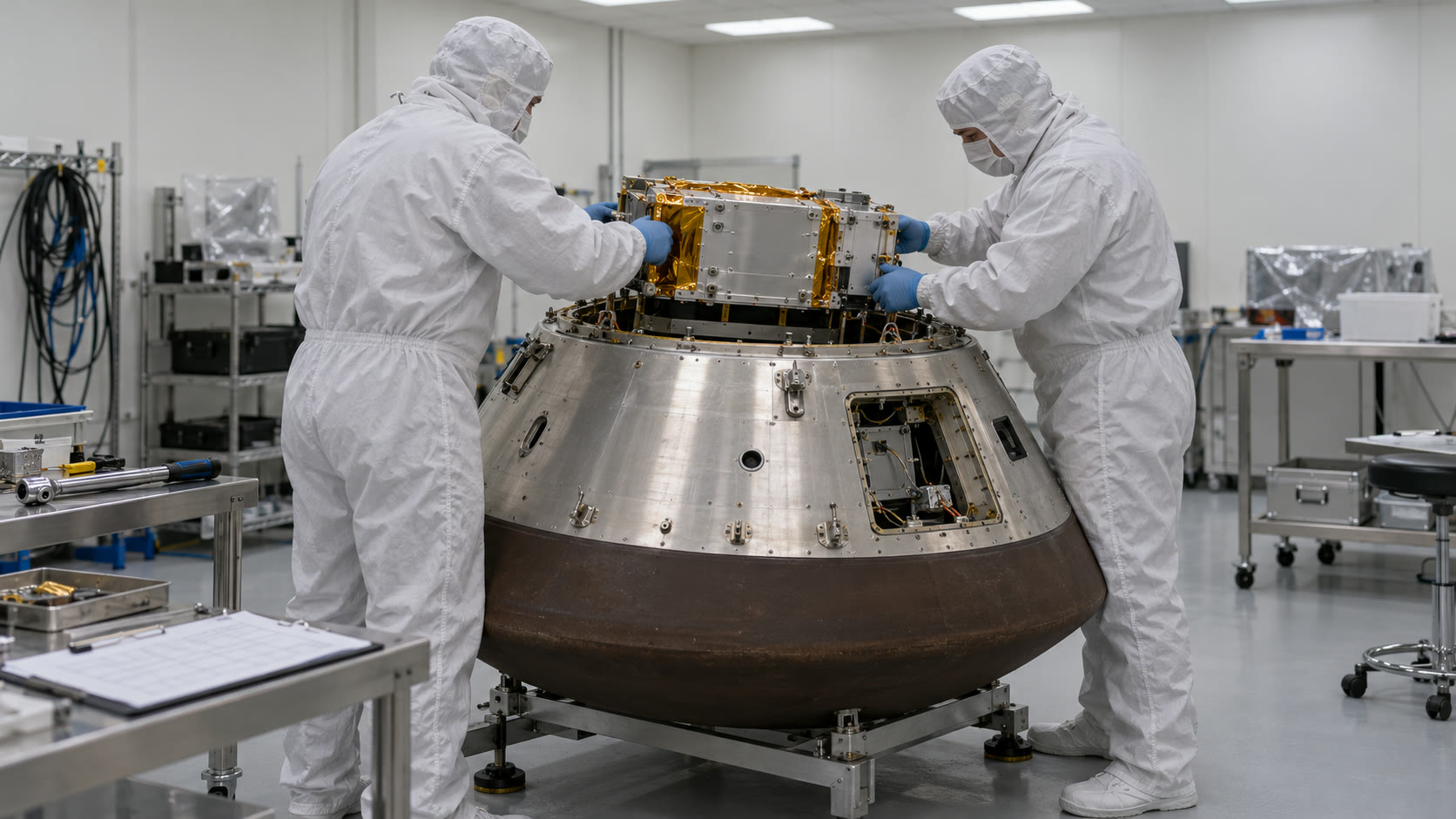
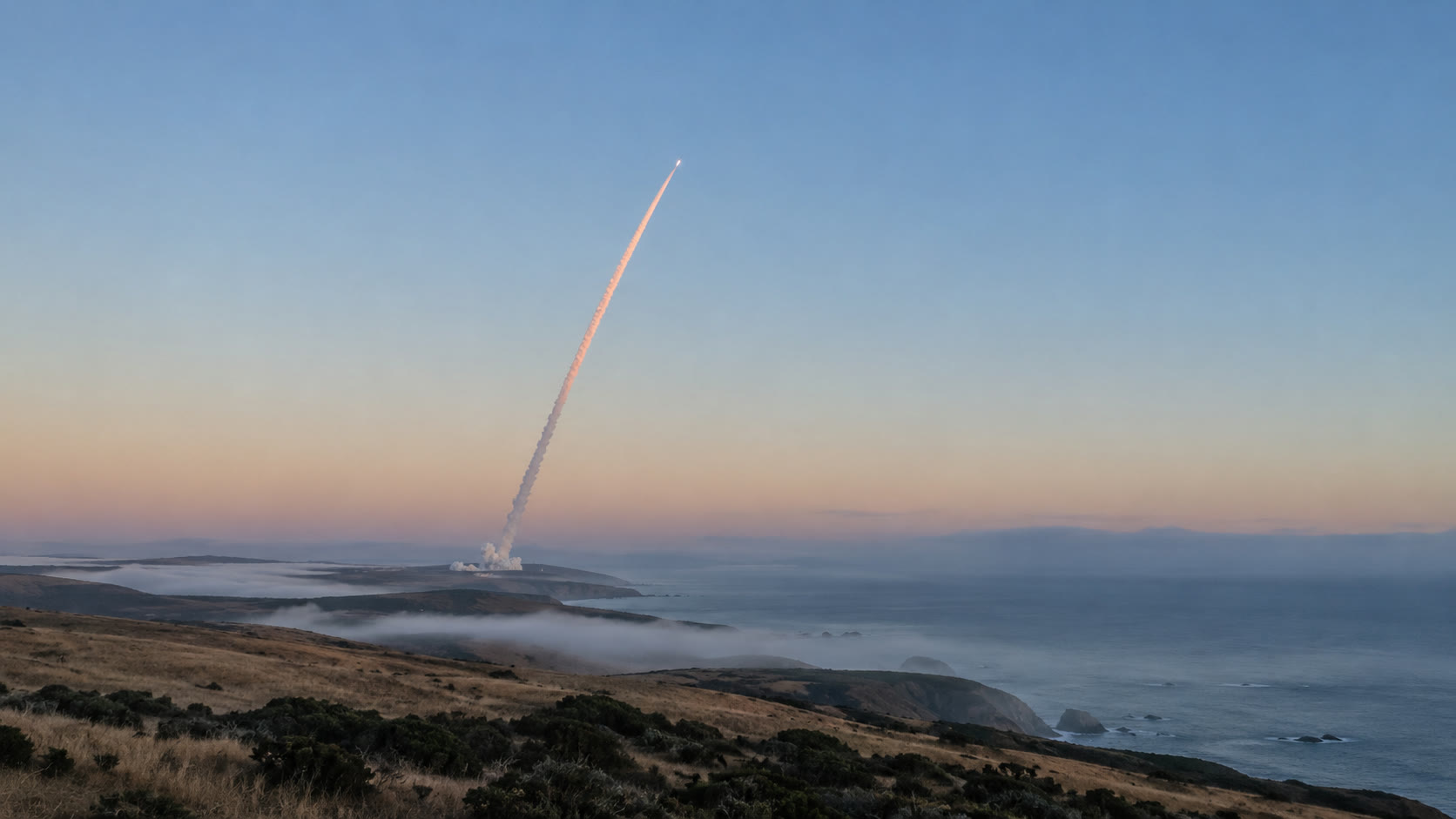
Day 0. A rideshare from Vandenberg, California, carries the capsule to a sun-synchronous orbit 525 km up.
Separation 58 minutes after lift-off. First signal over Alaska 12 minutes later.

15 orbits a day
95 minutes each, at 7.6 km/s. Twelve days, 182 orbits, a sunrise every hour and a half. The capsule does nothing but keep the wells at temperature.
Inside, nothing falls.
On the ground, a growing crystal sinks, and warm liquid rises past it and stirs the well. In orbit both stop. Each crystal grows where it formed, at the same rate as its neighbours.
39 µm
When Merck crystallised pembrolizumab (Keytruda) on the International Space Station, it came back as one population of crystals, 39 µm across. The same batch grown on the ground split into two, at 13 and 102 µm.
Reichert et al., Pembrolizumab microgravity crystallization experimentation, npj Microgravity, 2019.
What orbit changes, and what it does not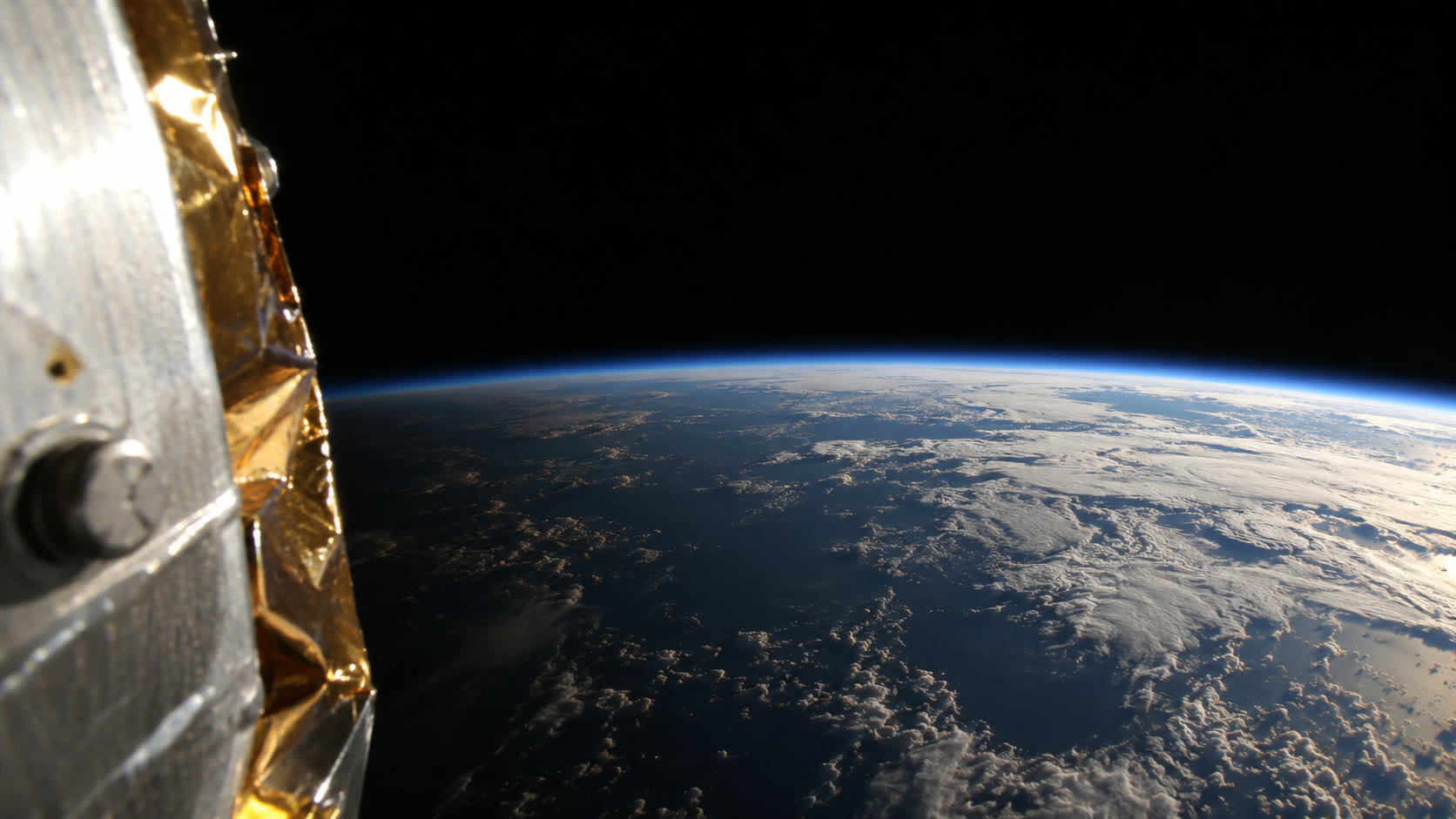
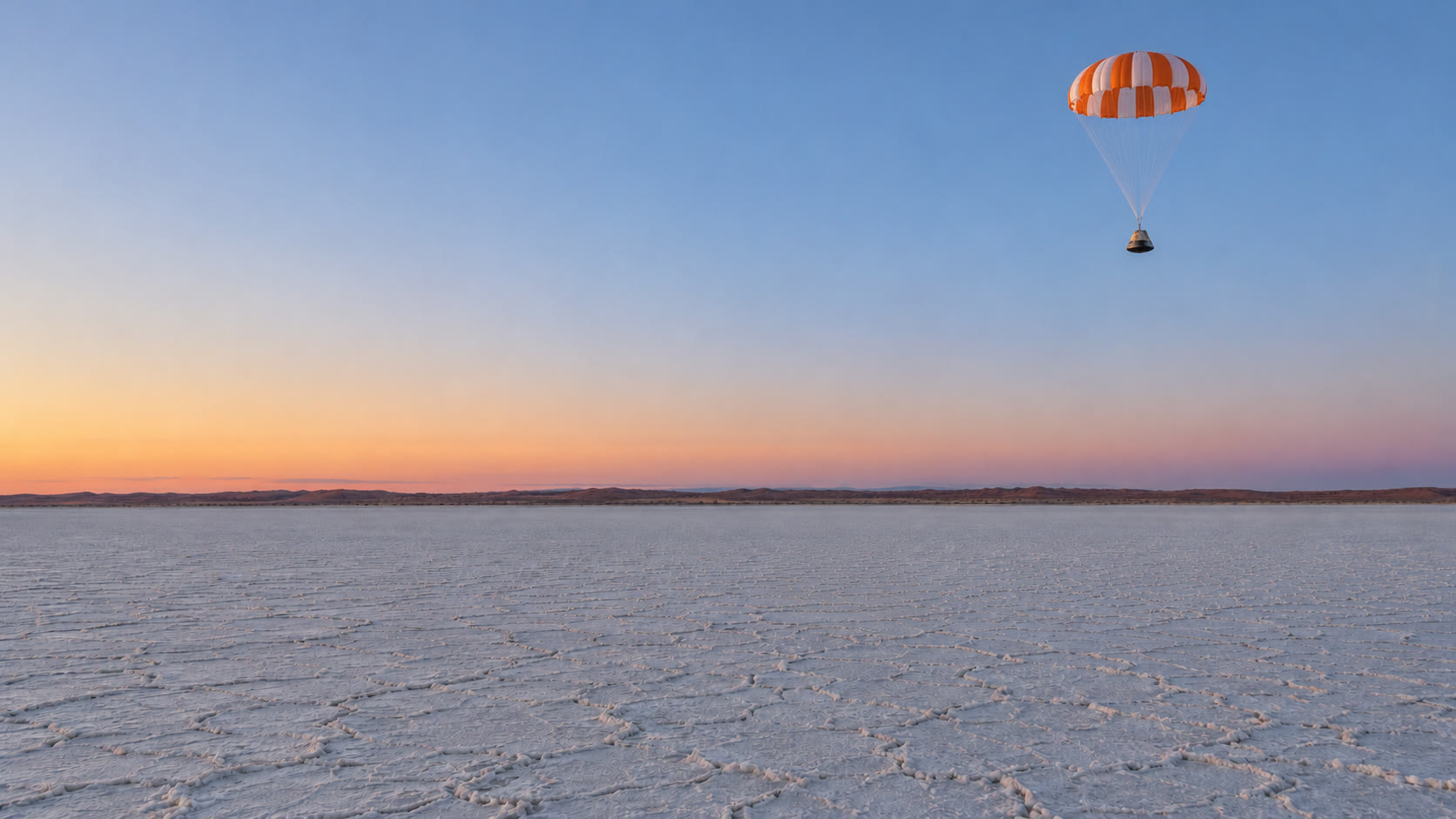
Day 13, 05:52. A nine-second burn and the capsule starts to fall.
Heat shield−20 °C
Your wells20.0 °C
Altitude120 km
Speed7.6 km/s
At peak heating the wells move by less than a tenth of a degree.
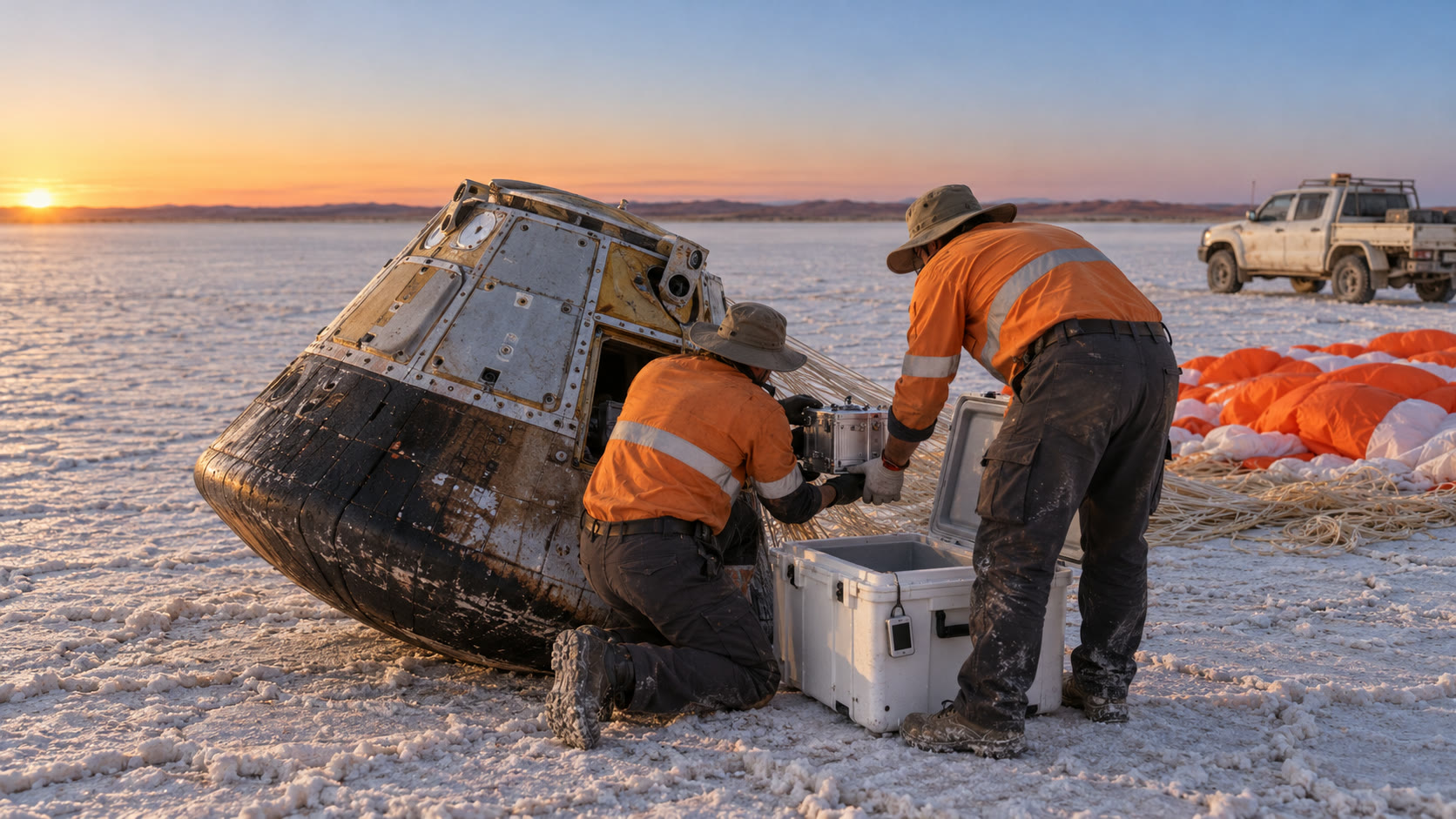
06:14, Lake Hart. Forty minutes later the cassette is in a cold case.
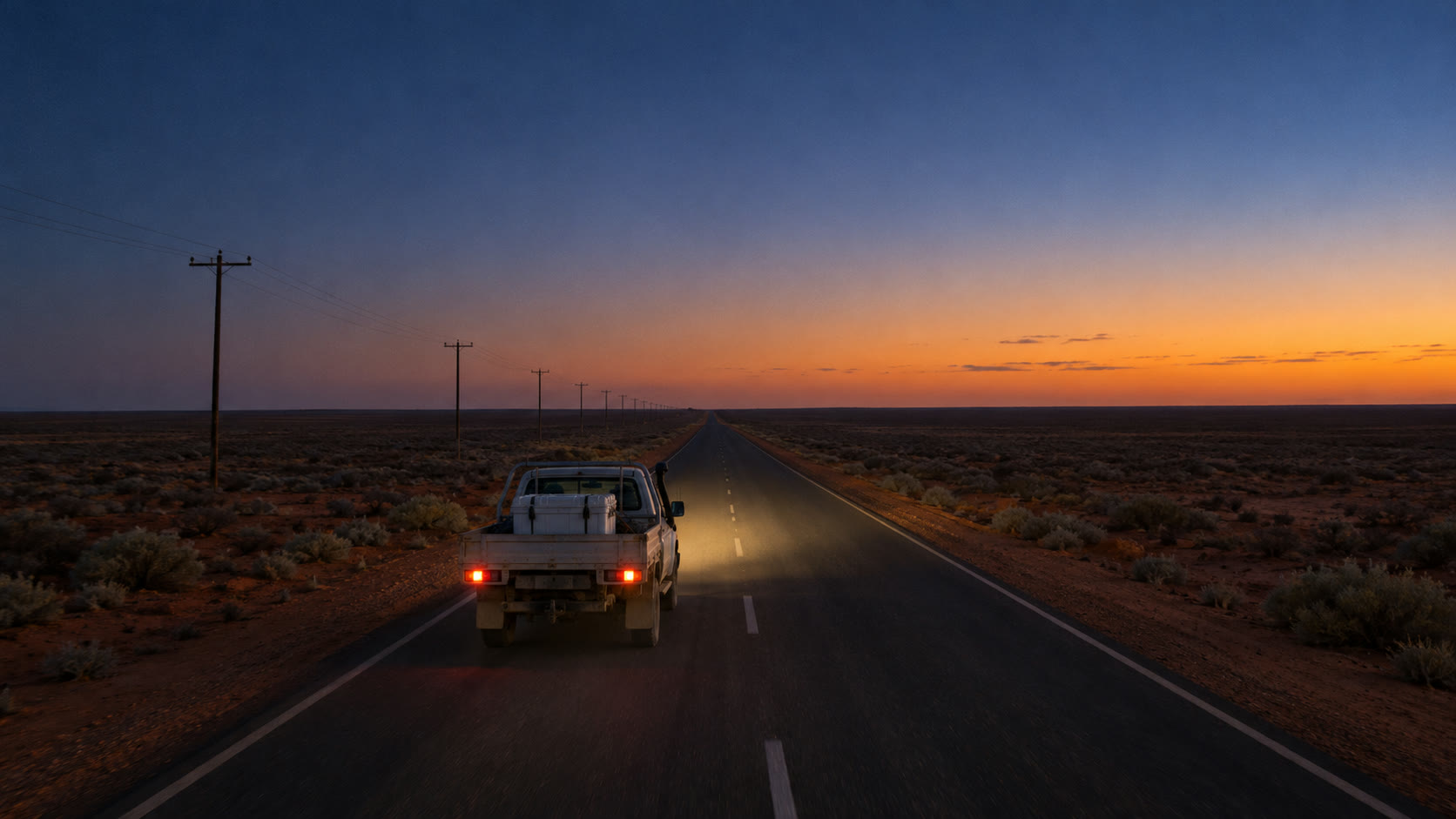
Then 490 km down the Stuart Highway to Adelaide. The logger in the case records the temperature every minute of the way.
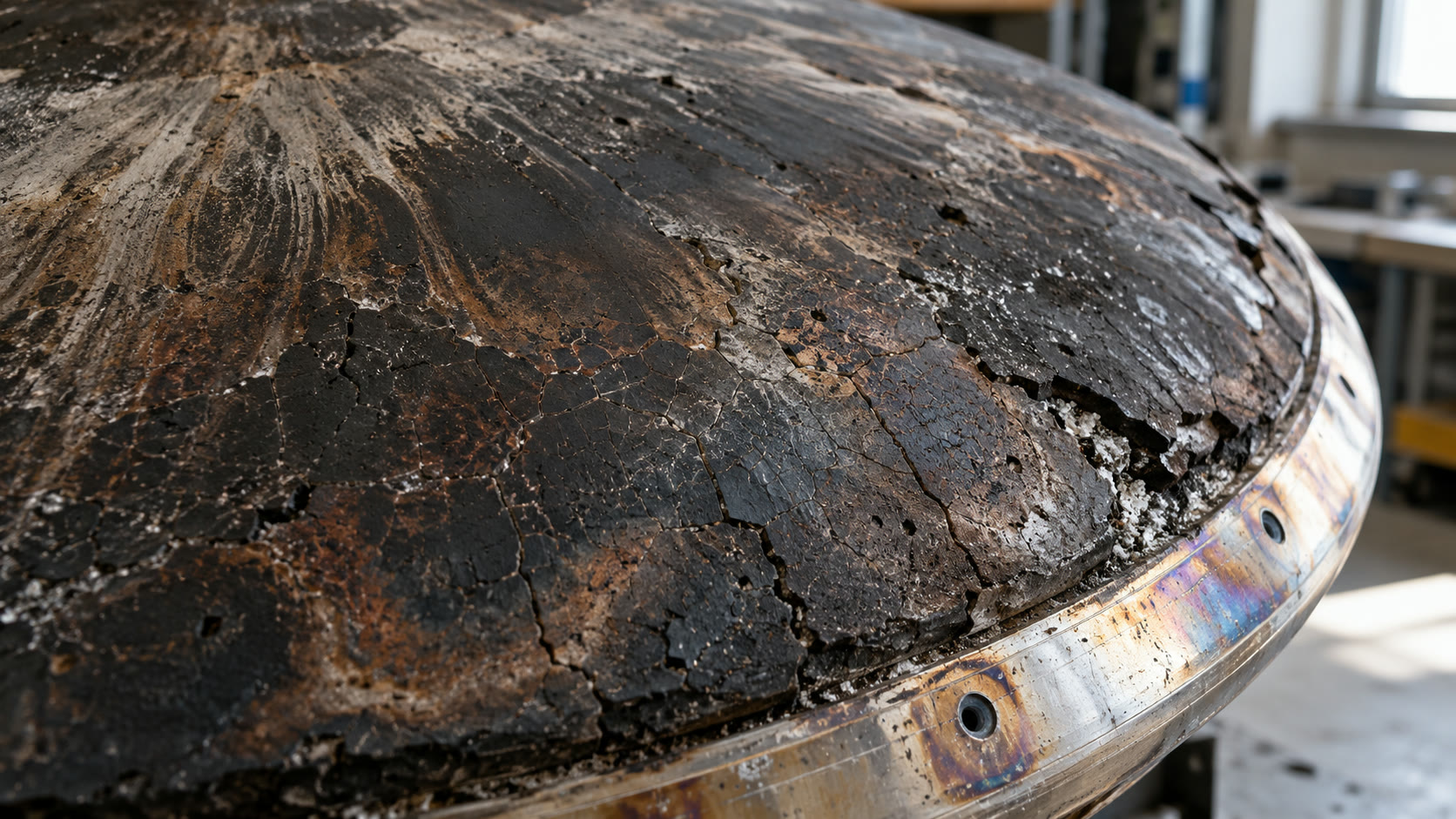
The shield after flight 2. The cracks are where it burned away on purpose, carrying the heat with it. We fit a new one every flight.
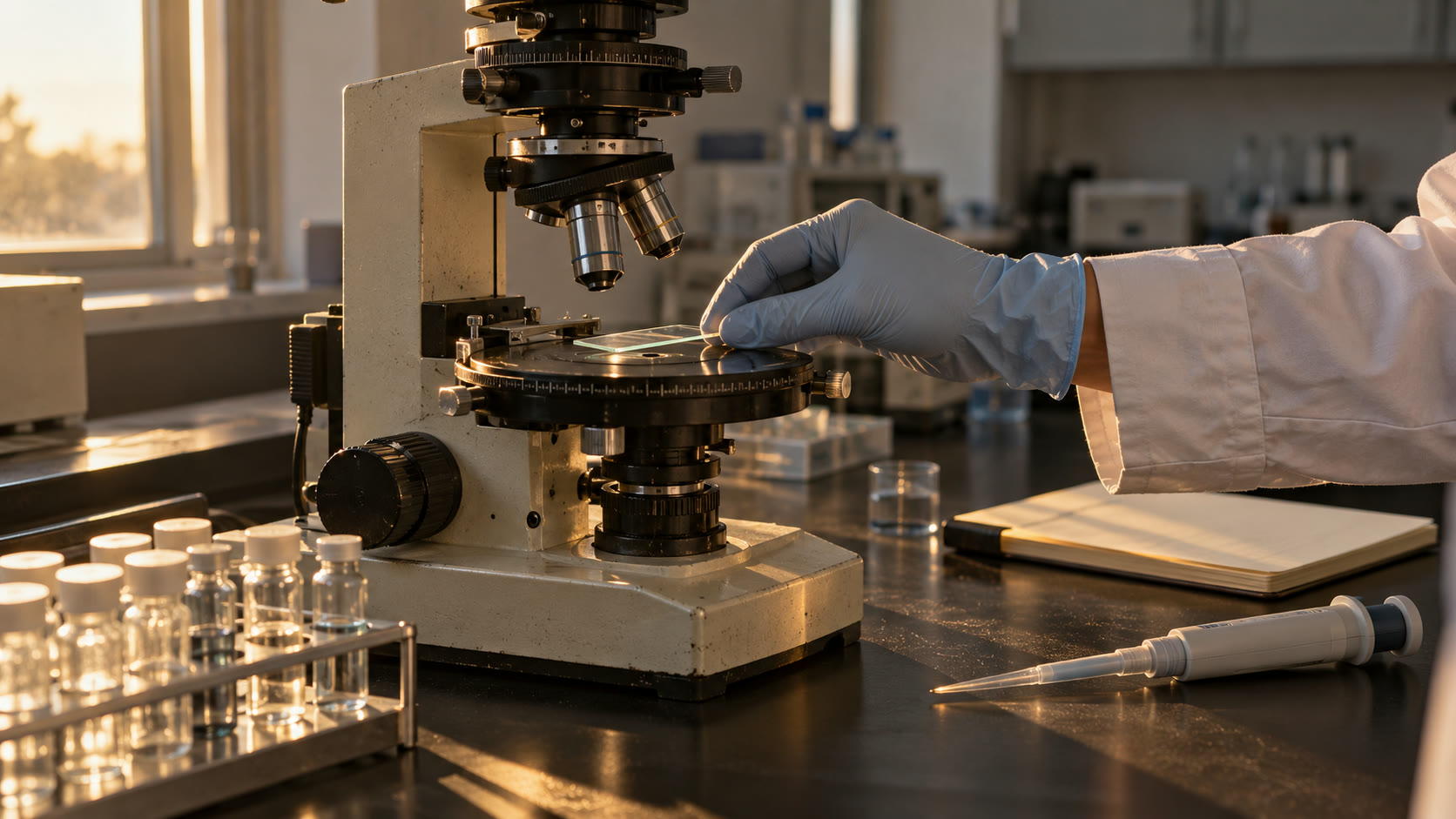
Day 14. Under crossed polarizers, a crystal goes dark every 90°.
That is how we know it is a crystal and which way it faces. Turn the stage.
What comes back to you
- Crystal size distribution, by laser diffraction and image analysis
- Crystal form, by X-ray powder diffraction
- Purity, by HPLC
- The ground control: the same batch, grown the same day in Adelaide
- The full temperature log, launch to lab
Report on day 21. Crystals shipped cold the same week.
Next flights
| Flight | Launch window | Lands | Wells open |
|---|---|---|---|
| 4, Feverfew | March 2027 | Lake Hart | 9 of 24 |
| 5, Tansy | July 2027 | Lake Hart | 17 of 24 |
| 6, Comfrey | November 2027 | Lake Hart | 24 of 24 |